
Looking at the past to understand the future
SHOC (Social History of Capitalism) is one of the recognized Large Research Groups of the Vrije Universiteit Brussel. Our core objective is to study the social history of capitalism from a bottom-up point of view. We conceptualize capitalism as a social process that exponentially boosted material production but also generated structural inequalities throughout the medieval, early modern and modern world. We aim to engage with the interactions and negotiations which shaped these outcomes, incorporating non-human, technological, and subaltern perspectives. Considering different contexts across the world allows us to disentangle the relationship between specific social configurations and the effects of capitalist expansion on welfare, social relations, migration and the environment in the long run, from the late middle ages until the 20th century.
Recent news
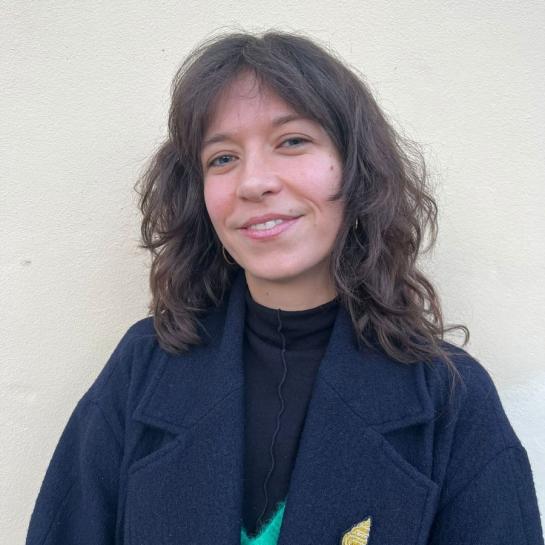
New SHOC member: Eliška Bujoková
A warm welcome to Eliska Bujokova, who has recently joined SHOC as a postdoctoral researcher!
SHOC welcomes new member: Jabulani Shaba
We're delighted to welcome Jabulani Shaba to the SHOC research group as a postdoc researcher at VUB! Jabulani's work explores the intersections of resource extraction, political ecology, gender and environmental history.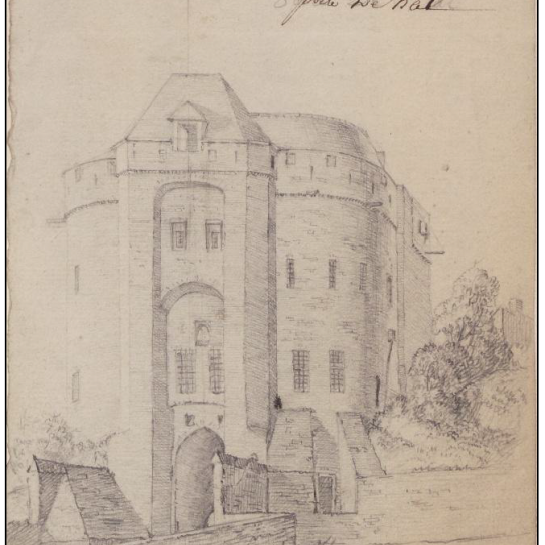
Public PhD Defence of SHOC Member Inès Glogowski on 13 October 2026
a { text-decoration: none; color: #464feb; } tr th, tr td { border: 1px solid #e6e6e6; } tr th { background-color: #f5f5f5; } SHOC is proud to announce that SHOC member Inès Glogowski will publicly defend her doctoral disser...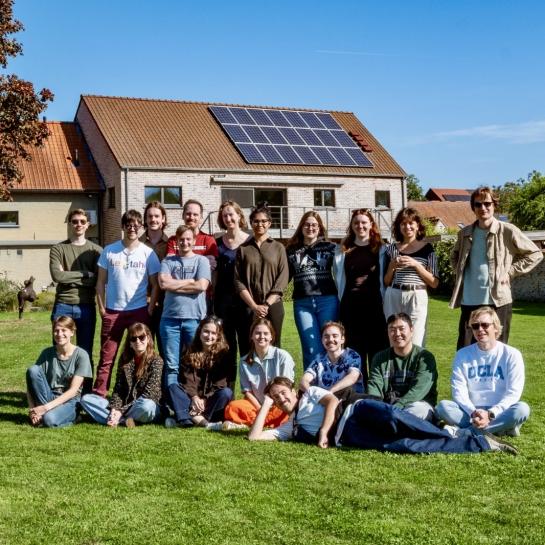
SHOC Goes on Team Building
Before heading into the new academic year, SHOC members gathered for two days of team building in beautiful Melden, near Oudenaarde!


Upcoming events
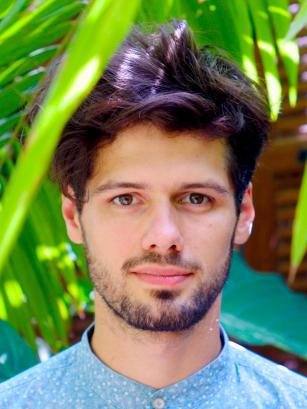
 Practical info16/11/2026 - 10:30 - 16/11/2026 - 12:00
SHOC-seminar with Alexandre Goderniaux (Université de Liège)
Staging Time and Rivalry: News Prints on Charles V's Roman Triumph in the Low Countries
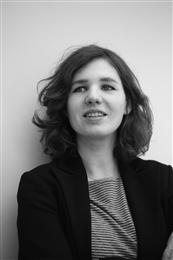
 Practical info30/11/2026 - 10:30 - 30/11/2026 - 12:00
SHOC-seminarie with Nicolas Schröder (Université Libre de Bruxelles)
Title and abstract to be published soon
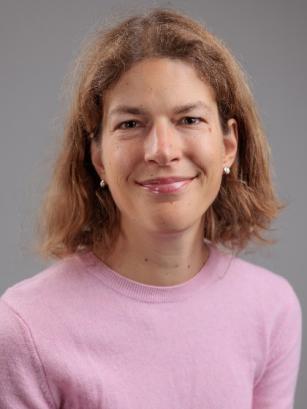
 Practical info14/12/2026 - 10:30 - 14/12/2026 - 12:00
SHOC Seminar with Janna Coomans (Utrecht University)
Urban wellbeing and recovery: the case of fire disasters in the late medieval Low Countries
 Practical info08/02/2027 - 10:30 - 08/02/2027 - 12:00
SHOC seminar with Iva Peša (Groningen University)
Resource Extraction, Commodity Cycles, and Environmentalism in Africa


